
Newsroom
Published Works & Mentions

The New Reality of Advertising Communications: Why Accessibility Is No Longer Optional
Visit LinkWhen Apple released its “I’m Not Remarkable” ad in December 2025, something remarkable happened. Set on a university campus and featuring students with disabilities navigating college life while using accessibility features, the musical ad pushed back against decades of “inspiration porn” that treated people with disabilities as superhuman for simply living their lives. With students singing lines like, “If you want inspiration, there’s a library down the hall,” the ad made a powerful statement: disabled people are just people, using technology to do everyday things. The response was immediate and overwhelmingly positive, with many calling it Apple’s highest-scoring ad ever.
Making Accessibility Strategic: A Communications Professional’s Guide
Visit LinkLet’s be honest — accessibility often gets treated like the spinach of communications planning. Everyone knows it’s good for you, but it somehow always gets pushed to the side of the plate. It’s not that communicators don’t care; it’s that we’ve been thinking about it all wrong.
The role of accessibility
Visit LinkLisa Riemers and Matisse Hamel-Nelis explore how global organisations approach accessibility and inclusion signals their values to an interconnected world. What began as a compliance exercise has grown into a movement that is reshaping consumer expectations and business strategies.

Why accessible adverts matter now more than ever
Visit LinkThis year, when John Lewis released its 2025 Christmas advert, the audio-described version arrived on the same day. It was exactly what the Royal National Institute of Blind People (RNIB) had wished for a year earlier, when the 2024 ad ‘The Gifting Hour’ had its accessible version released a day late.
AMI’s Audiobook Café
Visit LinkAuthor Ma-nee Chacaby is the 2025 winner of the Canada Reads competition for her 2016 book “A Two-Spirit Journey: The Autobiography of a Lesbian Ojibwa-Cree Elder.” Host Jacob Shymanski chats with Ma-nee about her experience co-writing the book with Mary Louisa Plummer. She also reflects on some of her life experiences shared in the book.
In the latter portion of the show, co-author Matisse Hamel-Nelis describes her new educational book “Accessible Communications: Create Impact, Avoid Missteps and Build Trust.”
This episode was produced by Andrika De Lanerolle.
Global trends and evolving cultural expectations: What is the role of accessibility?
Visit LinkAccessibility is quickly becoming a core talent strategy, not just a compliance requirement. With one in six people living with a disability and younger workers expecting inclusive design by default, organisations that build accessibility into hiring, communication, learning and flexibility gain a clear edge. This piece explores how accessibility is reshaping HR and helping companies attract stronger, more diverse talent.

Back to Basics: The ABCs of Accessible Internal Comms
Visit Link“Sometimes, going back to basics and working through the fundamentals systematically is exactly what moves us forward toward truly inclusive workplace communication.” Accessible communications and marketing expert, Matisse Hamel-Nelis, offers a guide to creating internal communications that reach everyone.
Preventing Exclusion Through Inclusive Communication Training
Visit LinkEvery day, well-meaning employees often use language that unintentionally excludes their colleagues. A manager asks the team to “bring their wives” to the holiday party. An email begins with “Hi guys.” Announcements are made about “normal working hours” which exclude flexible arrangements and schedules.
These small moments add up. Over time, they send a clear message to some employees: you don’t quite belong here.
The good news? Most workplace exclusion isn’t intentional. It happens because people default to language patterns they learned growing up or absorb from their environment. This means we can change it through targeted training that builds awareness and provides practical tools.
Why blanket back-to-work policies challenge neuro-inclusion
Visit LinkSaturday 8 November marks the 30th anniversary of the Disability Discrimination Act, later replaced by the Equality Act in 2010. The introduction of stronger protections for disabled people at work marked a turning point for supporting people to thrive, but many – particularly those who are neurodivergent or have hidden disabilities, still face discrimination today.
These issues have been highlighted by the recent shift towards employers demanding workers come back to the office either full time or on a more regular basis. For neurodivergent staff who have set up new routines based around home or hybrid working, these demands can feel daunting or unreasonable. At the same time, employers are keen to make the most of office space and having workers collaborating face to face, so often overlook the fact that not all workers will feel as enthusiastic about returning to office-based work.
The Hidden Business Advantage: How to Build Accessibility As a Core Principle for Your Organisation
Visit LinkAccessibility is more than just a checkbox exercise. Forward-thinking organisations are embedding accessibility into their operations to unlock innovation, expand market reach, and build resilience in an increasingly diverse world. Read on to learn about how accessible products and services can deliver value for your organisation.
In boardrooms around the world, accessibility is shifting from a compliance checkbox to a strategic imperative. Forward-thinking organisations are discovering that embedding accessibility into their core operations isn’t just about meeting legal requirements; it unlocks innovation, expands market reach, and builds resilience in an increasingly diverse world.




Subscribe to the Matisse Nelis Newsletter!

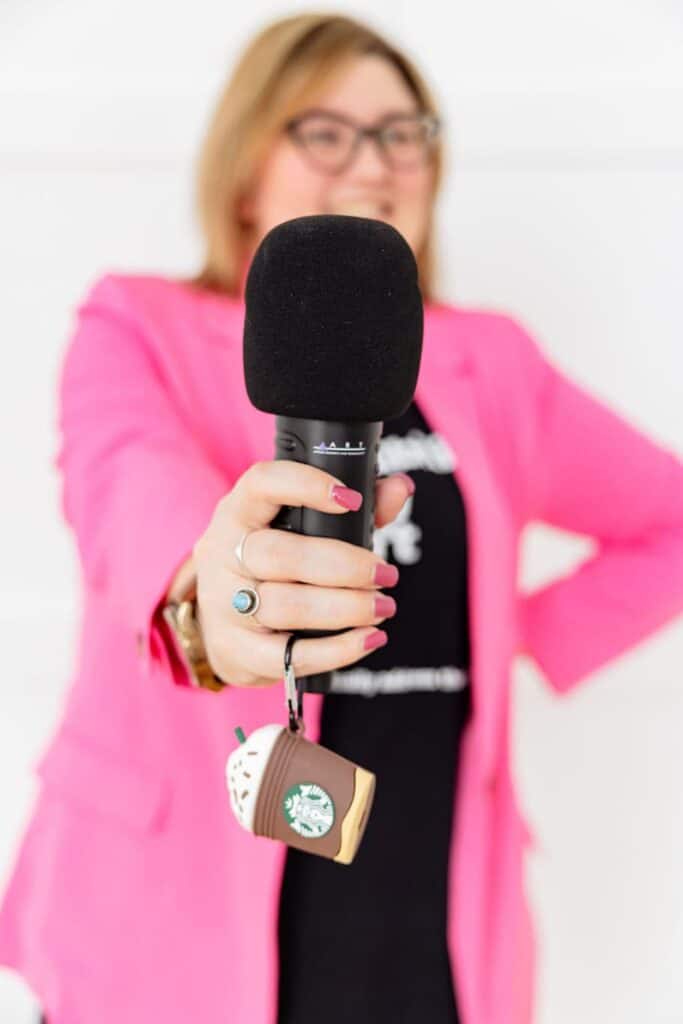
PR & Lattes: Matisse's Weekly Podcast
Created to expand resources available to PR practitioners, PR & Lattes is a collaborative space where professional communicators (emerging, new and established) can share their insights and ideas on public relations, communications and marketing topics.
The weekly PR & Lattes podcast host Matisse Hamel-Nelis chats with industry leaders about topics they’re passionate about.
On the blog, various contributors share monthly articles focused on their specialties in the field. Read different perspectives from emerging, new and established communicators who concentrate on everything from trends to case studies and personal insights to tips and tricks.